
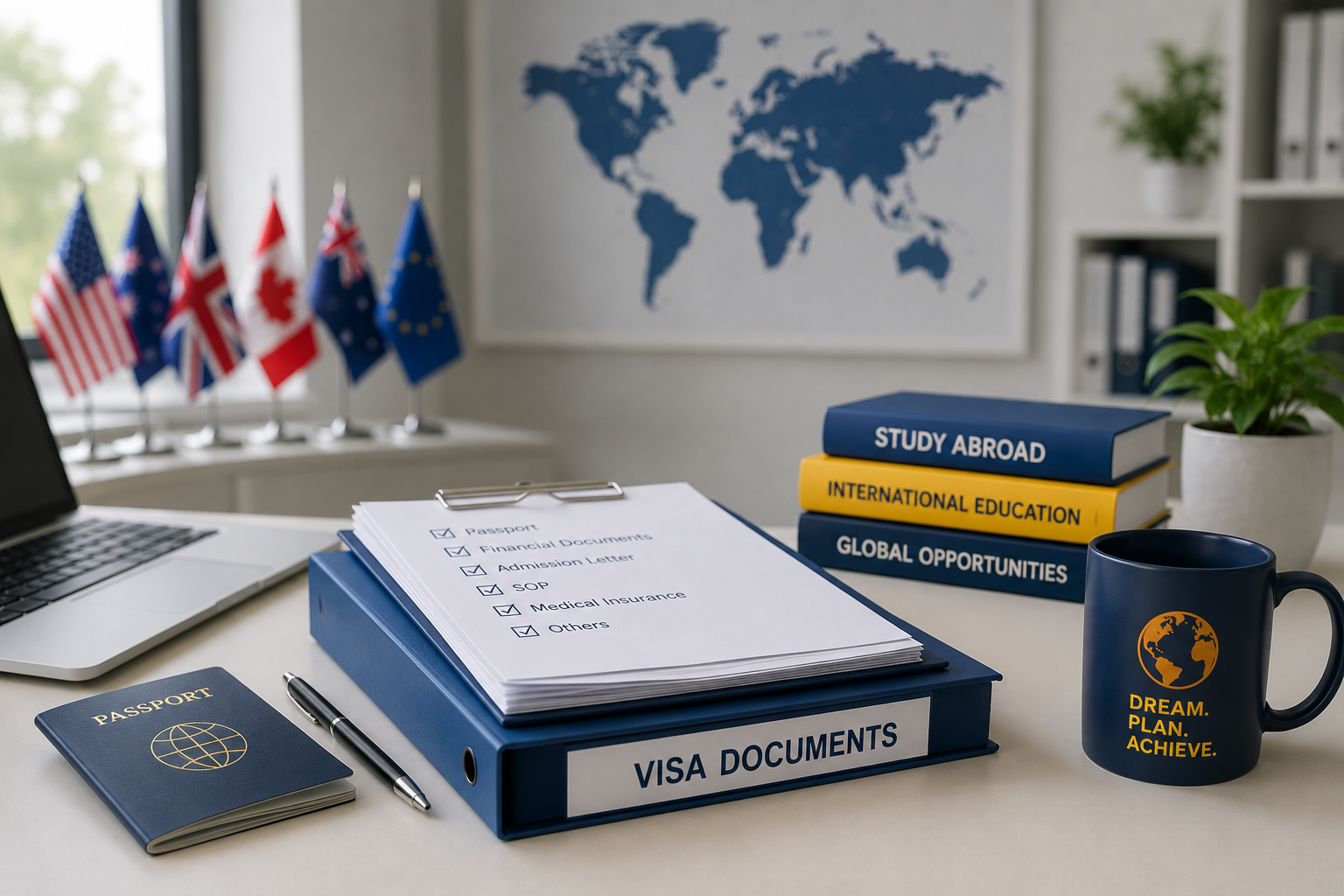
Why Cheap and Fast Document Help Backfires
Many students opt for low-cost online services or unverified agents to save money. But visa officers assess the entire file: financial capacity, academic intent, ties to home country, and document authenticity. Inconsistent or poorly prepared documentation is a common reason for refusals.
Typical pitfalls include:
• Bank statements that don't match the declared source of funds or show sudden large deposits without explanation
• Education loans or sponsorship letters missing required details (sanction letter, disbursement schedule, sponsor's income proof)
• SOPs and study plans that contradict the course choice or career goals stated elsewhere • Missing or incorrectly attested documents (translations, notarizations, apostilles)
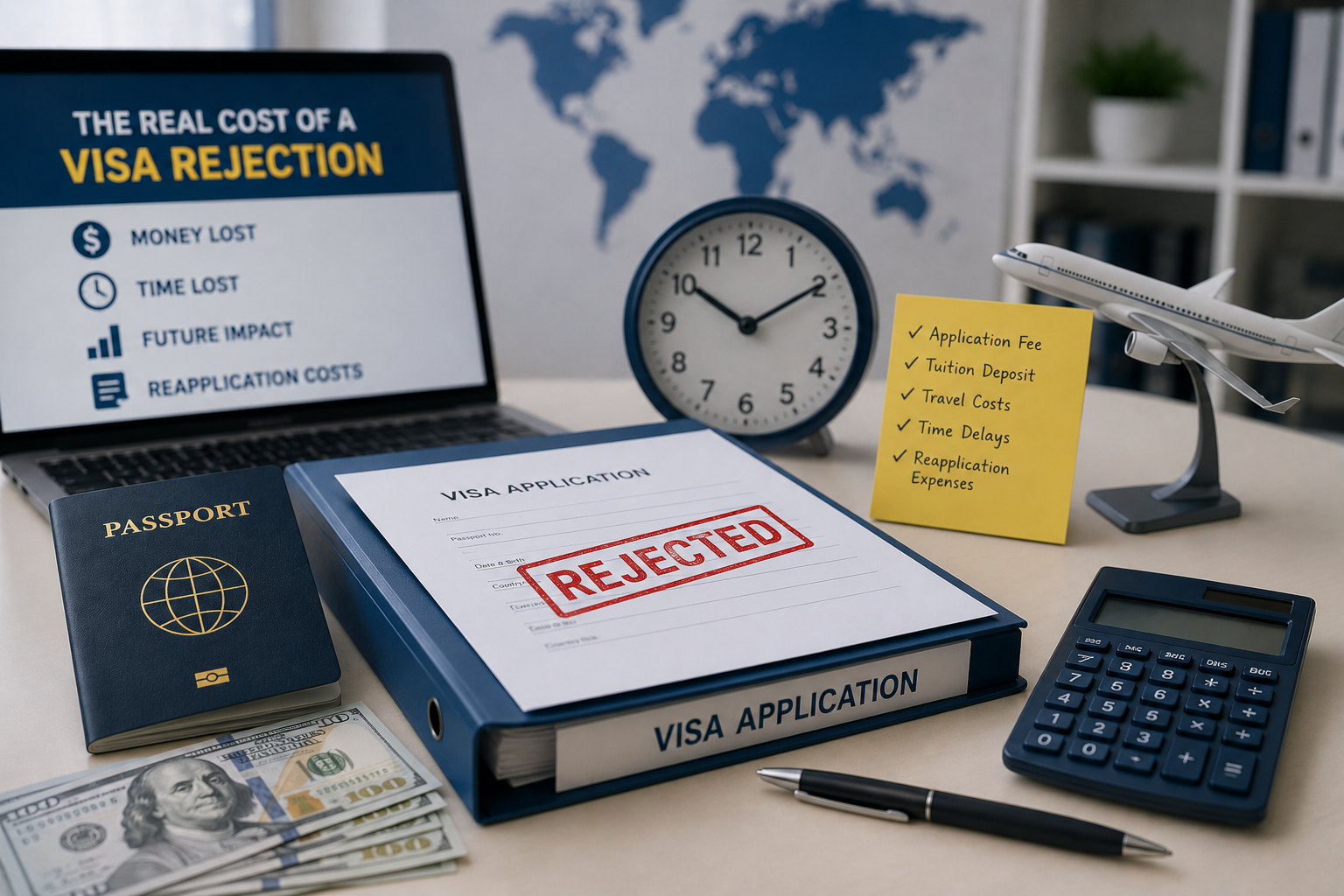
These issues don't just cause a rejection, they create a record that can complicate future applications.
What Trustworthy Professionals Actually Do
Reliable consultants don't just fill forms. They build a coherent case. Expect them to:
• Audit your profile early: academics, finances, work history, gaps, prior refusals • Map exact document requirements by country and visa type (student, dependent, spouse etc.)
• Create a document checklist with owners and deadlines (you, sponsor, bank, university) • Pre-review for consistency: dates, names, amounts, addresses, and purpose of travel across all forms
• Prepare you for interviews or biometrics, including likely questions and document cross-checks
• Keep a paper trail: versioned drafts, submission receipts, and a clear timeline
This process reduces errors that trigger refusals and makes your intent clear to the visa officer.
How to Vet a Visa-Document Consultant (Simple Checklist)
Before you hand over your file, run this quick vetting:
Credentials and Transparency
• Do they clearly explain their process, fees, and what's included?
• Can they show sample checklists or a mock document review?
Experience with Your Destination
• Ask for recent cases similar to yours (same country, course level, profile type) • Do they know current rules (ex:, financial thresholds, GTE/GS requirements, biometrics timelines)?
Document Quality Control
• Will they cross-check every form against your supporting docs?
• Do they offer a final consistency review before submission?
Communication and Accountability
• Is there a single point of contact?
• Do they provide timelines and status updates without you chasing them?
Ethics and Data Safety
• No promises of guaranteed visas
• Clear privacy policy for your documents and data
If an agent avoids these questions or pushes you to submit quickly without review, that's a red flag.
Step-by-Step: Getting Your Visa Documents Done the Right Way Use this flow to stay in control:
1. Book a profile audit
Share academics, finances, work history, and prior travel/refusals. Get a risk assessment and a country-specific document list.
2. Build your financial story
Collect bank statements, ITRs, salary slips, sponsorship letters, and loan sanction letters. Ensure the source of funds is clear and consistent with your profile.
3. Draft your study plan and SOP (with human review)
Use AI only for brainstorming and grammar checks, not to write your story. Have an expert align your SOP with your course, university, and career plan.
4. Pre-submission consistency check
Match names, dates, amounts, and addresses across all forms and documents. Fix any contradictions (ex:, course start date vs. financial coverage period).
5. Interview/biometrics prep (if applicable)
Practice likely questions: why this course, how you'll fund it, post-study plans. Keep a neat document folder for the appointment.
6. Keep records
Save copies of everything submitted, payment receipts, and communication logs. Note submission dates and expected decision timelines.
Following this process dramatically lowers the chance of avoidable refusals.
Questions to Ask Before You Pay Anyone
• Can you show me a sample document checklist for my exact visa type and country? • What are the top 3 refusal reasons for profiles like mine, and how will you prevent them?
• Will you do a final consistency review across all forms and documents before submission?
• What's your process if the visa officer asks for additional documents? • How do you handle data privacy and document storage?
Their answers will tell you whether they're process-driven or just selling a form-filling service.
Final Word
Your visa file is your story on paper. Trustworthy professionals don't just submit documents, they make sure your story is clear, consistent, and credible. That's how you avoid regrets, delays, and refusals.


Comments 0
No comments yet. Be the first to join the conversation!